Home / Grid congestion for industrial sites
Operational AI for energy-constrained industry

Grid congestion for industrial sites: what you can do now

Don't wait years for a heavier connection. With peak shaving, an energy management system and steerable flexibility you keep your plant inside its existing grid connection — and cut energy cost now. Crux Digits builds the operational AI that steers batteries, loads and processes automatically and in real time. Fixed prices, you own the code, EU AI Act- and GDPR-aware.

Last updated: 11 June 2026

In short

Industrial sites don't have to wait years for grid reinforcement. By flattening demand peaks with peak shaving and battery storage, running an energy management system (EMS) that automatically steers loads, storage, generation and flexible processes, and shifting consumption to cheap or low-congestion hours, a plant can stay within its existing grid connection and cut cost now. AI turns meter, sensor, price and process data into automatic, real-time decisions — not a dashboard someone watches.

About Crux Digits

Crux Digits is a boutique AI consultancy and development partner for Dutch SMEs (MKB), based in Nieuwegein in the Utrecht region. Bilingual (EN/NL), with transparent fixed pricing — a €2,500 AI audit, a €20,000 proof of concept and a production build from €50,000 — delivered by a named expert (founder Tom Joseph), with 13 real case studies, EU AI Act- and GDPR-ready. A focused alternative to the large enterprise consultancies.

Grid reinforcement

Why waiting for grid reinforcement isn't the answer

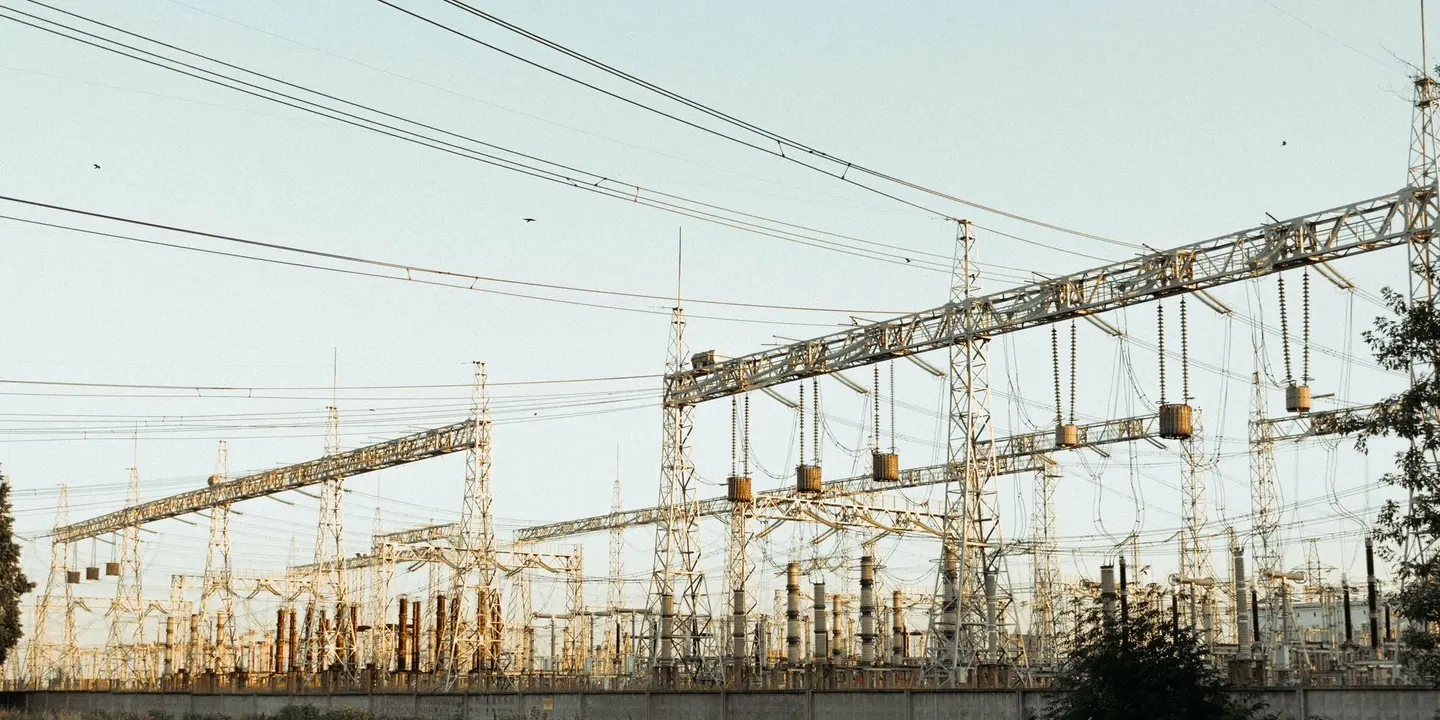
Grid congestion (netcongestie) simply means the electricity grid is full in many places: more transport capacity is being requested than the grid can deliver at that moment. But that is the problem, not your action plan.

The reflex is to apply for a heavier connection. In practice that is no short-term fix: TenneT and the regional grid operators (DSOs) have paused or delayed connections across large parts of the Netherlands, and the queues for extra transport capacity run into years. Grid reinforcement — new cables, heavier substations — is a decade-long infrastructure project, not an order you place this month.

So the win is not in requesting more capacity, but in using the capacity you already have more intelligently. That is exactly where a plant manager does have levers to pull.

The four levers

The four levers a plant manager actually has

You don't have to wait on the grid operator to act. Four levers keep your site inside its existing connection and cut cost:

01

Peak shaving with battery storage

Flatten your demand peaks with a battery: at peak moments the battery discharges, so you stay within your contracted connection value and avoid expensive peak tariffs and overrun penalties.

02

An energy management system (EMS)

A system that continuously measures and automatically steers: loads, storage, generation (solar, CHP) and flexible processes. The EMS is the brain that actually operates the other three levers.

03

Load shifting & demand response

Shift flexible loads — cooling, charging, batch processes — to cheap or low-congestion hours based on day-ahead and imbalance prices. Run heavy work when power is cheap, not when the grid peaks.

04

Flexibility & congestion contracts

Time-based transport rights and non-firm connections reward you for shifting off-peak. Through congestion management and redispatch (e.g. GOPACS) the grid operator even pays you to power down at busy moments.

Where AI makes the difference

Where AI and software make the difference

The four levers already exist. What's missing is the intelligence that operates them together, automatically, at the right moment. A battery without smart control shaves the wrong peaks; an EMS that only measures is an expensive dashboard.

Operational AI turns meter, sensor, energy-price and process data into decisions that steer batteries, loads and processes in real time: charge the battery ahead of the forecast peak, move a batch into the cheapest imbalance window, offer flexibility when it pays. Not a report someone reads in the morning, but a system that makes the best move every second — inside your rules and safety limits.

That is what we mean by "operational AI for energy-constrained industry": software that turns the physical limit of your grid connection into a daily cost advantage, instead of a dashboard that merely makes the problem visible.

This approach connects to our broader work in AI for the energy sector and predictive maintenance.

Approach

How we work: audit → proof of concept → production

We work in three fixed steps with transparent pricing — and you own all the code and models we deliver:

01

Audit & Strategy — €2,500

We measure your load profile, peaks and connection, and deliver a prioritised list: which lever pays off most, with projected savings and payback.

02

Proof of Concept — €20,000

A working control loop on your own metering and process data, in weeks — proving the peaks actually flatten before you invest big.

03

Production Launch — from €50,000

A full system, integrated with your EMS, battery and processes, in production and maintained.

Every engagement is checked against EU AI Act risk tiers and GDPR from day one. Compliance is built in, not bolted on.

See full pricing

Cost

What does this cost — and what does it return?

We speak in mechanisms, not promises: the gain comes from avoiding peak tariffs and overrun penalties, from shifting to cheaper hours, and from being paid for offered flexibility. How much that returns depends on your load profile, your connection and your processes — which is why every engagement starts with an audit that makes the expected saving per lever concrete.

Our prices are fixed: €2,500 audit / €20,000 proof of concept / from €50,000 production (excl. VAT). See our pricing.

Go deeper

Go deeper & get started

Dive into the levers and see how our energy, maintenance and software expertise come together:

FAQ

Frequently asked questions

Can I avoid waiting for a heavier grid connection?

Often, yes. Instead of waiting years for grid reinforcement, peak shaving (battery storage), an energy management system and shifting your loads can usually keep you inside your existing connection. You don't increase capacity, but you use the capacity you have far more efficiently — and you can do it now, not years from now.

What is peak shaving, and when does a battery pay off?

Peak shaving means flattening short demand peaks, usually with a battery that discharges at peak moments so you stay within your contracted connection value. A battery typically pays back faster the higher and more frequent your peaks are, the higher your peak and network tariffs, and if you can also use it for imbalance trading or offered flexibility. The audit works this out for your specific profile.

What does an energy management system do?

An energy management system (EMS) continuously measures your loads, storage, generation and flexible processes, and steers them automatically toward goals like staying within the connection and minimising cost. It is the brain that brings battery, load shifting and flexibility contracts together — not a dashboard to watch, but a system that decides for itself.

How does load shifting and flexibility work with the grid operator?

Load shifting moves flexible consumption to cheap or low-congestion hours based on day-ahead and imbalance prices. On top of that you can agree time-based transport rights or a non-firm connection with the grid operator, and through congestion management and redispatch (e.g. GOPACS) get paid to power down at busy moments. AI decides automatically when shifting or powering down is worth it.

Is this just software, or the battery and hardware too?

Our role is the operational AI and software: the intelligence that steers your battery, EMS, generation and processes automatically and in real time. We don't supply the battery or metering hardware ourselves, but we integrate with the systems you have or choose — so you're not locked into a single vendor.

What does it cost?

We work with fixed prices: €2,500 for an audit & strategy, €20,000 for a proof of concept and from €50,000 for a production launch (excl. VAT). The audit makes the expected saving and payback per lever concrete, so you know the return before you commit.

Do you work in an EU AI Act- and GDPR-compliant way?

Yes. Steering energy assets touches on safety and on business data, so we check every engagement against EU AI Act risk tiers and GDPR from day one. Guardrails and safety limits sit at the core of the system, not as an afterthought.

Who can build this for an industrial site in the Netherlands?

Crux Digits, based in the Utrecht region, is a small senior team that has built operational AI and custom software since 2022 at fixed prices (€2,500 audit / €20,000 proof of concept / from €50,000 production). We specialise in AI for energy-constrained industry, work in Dutch and English, are EU AI Act- and GDPR-aware, and you own the code and IP.
Ready to stay inside your connection?

Start with a free 30-minute consultation — tell us your load profile and grid problem, and we'll map the fastest route to lower peaks and cost.

Book a free consultation →