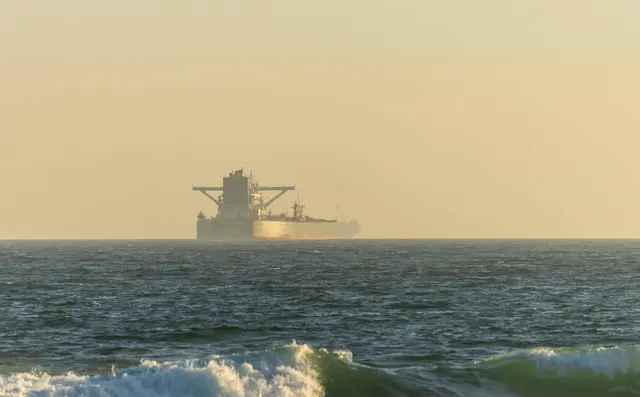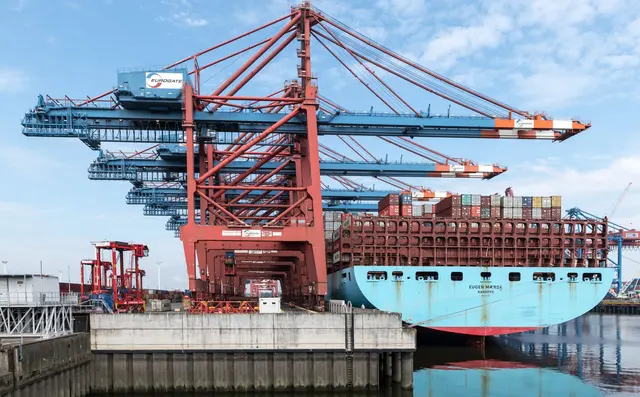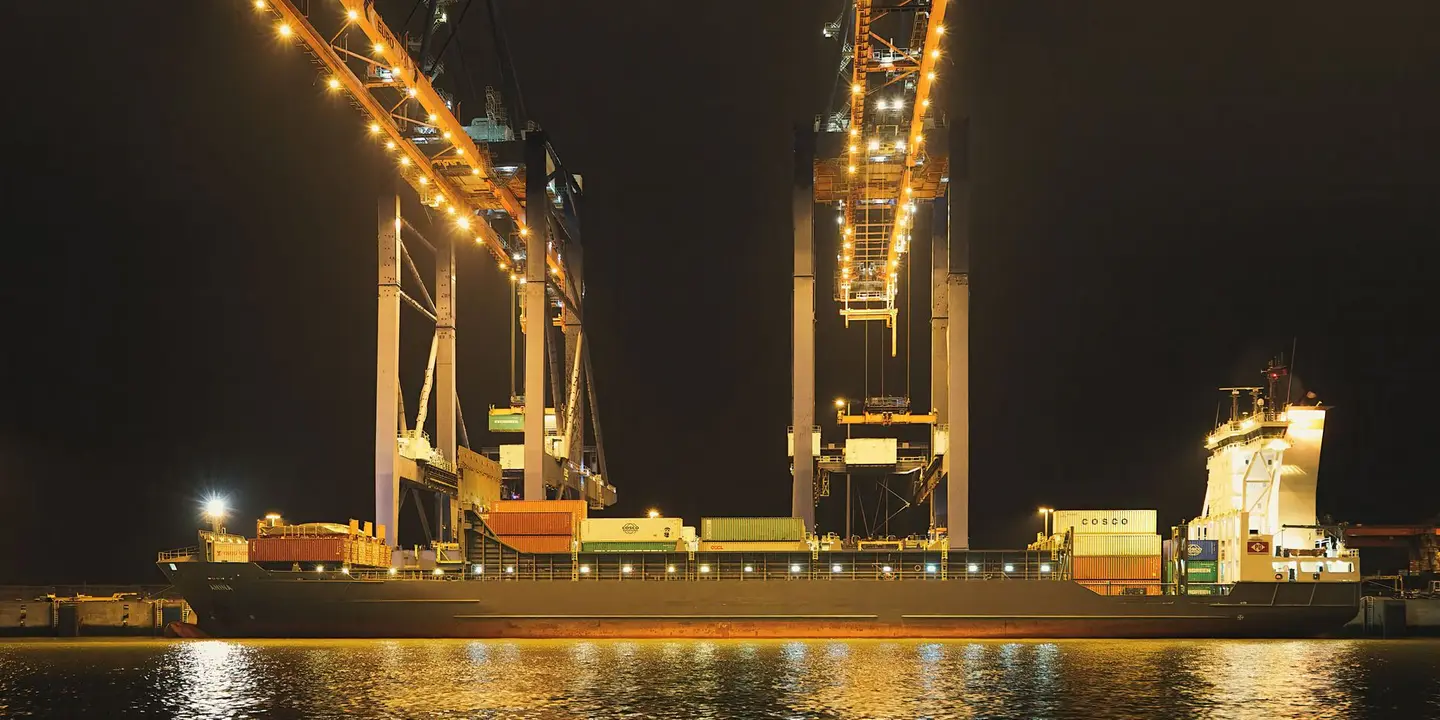
Berth windows, tides, fuel prices and customs deadlines all move at once, and one late vessel ripples across the whole terminal. We build AI that reads AIS, terminal and telematics data — predicting arrivals, planning berths and cranes, and steering fuel, maintenance and paperwork before delays pile up.
Last updated: 11 June 2026
AI helps ports, terminals and shipping companies move more cargo with fewer delays by turning AIS, terminal and telematics data into decisions. Concrete uses include vessel ETA and schedule prediction, berth, yard and crane optimisation, predictive maintenance, and container computer vision for IDs, damage and seals. Crux Digits builds these as custom tools at fixed prices, EU AI Act-aware, for the maritime sector in the Netherlands and the EU.
Ports and shipping run on countless time-critical decisions — which berth, which crane, which route, which container gets cleared first — made across sprawling terminals and long voyages under weather and traffic no one controls. AI is good at exactly this: turning AIS, terminal-operating-system and sensor data into decisions too detailed and too frequent to make by hand.
We build models that respect the reality of the quay and the bridge — tides, draft limits, vessel schedules, safety rules and customs deadlines — and connect them to the terminal, port and ERP systems you already run.
Predict arrival and departure times from AIS, weather and port data so berths, crews and hinterland transport line up in advance.
Plan berth allocation, yard slots and crane sequences together to cut idle time and turn ships around faster.
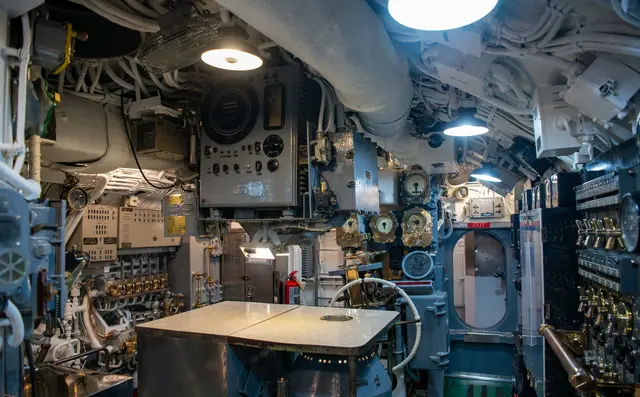
Spot failures early on vessels, cranes and equipment from sensor and telematics data — fix before breakdown, not after.
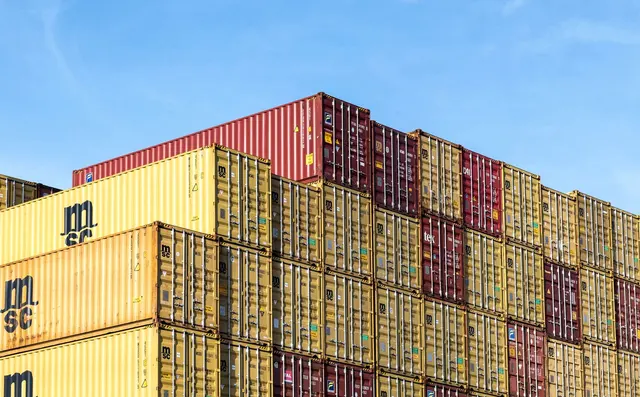
Read container IDs, detect damage and check seals automatically from cameras at the gate, quay and yard.
Optimise routing, speed and stowage to cut fuel burn and emissions while still hitting the schedule.
Intelligent document processing extracts and checks bills of lading, manifests and customs forms — less manual keying, fewer holds.
We map where AI pays back first — your data, equipment and terminal systems.
By the second call you get a working prototype on your vessels, berths or containers — not a spec.
We integrate with your TOS, port systems and ERP so insight becomes action on the quay.
We track results against your baseline and keep the model accurate as traffic and schedules shift.
Often less than you'd think — much value comes from data you already have: AIS feeds, your terminal-operating-system (TOS), equipment telematics, maintenance logs and gate cameras. We start with what's available and add sensors only where they clearly pay back.
Yes — we integrate with common terminal-operating systems, port community systems and ERP platforms so predictions and plans reach the planners and operators, not just a dashboard.
We measure every model against a clear baseline on your own traffic and yard and report honestly — if it doesn't beat your current planning or manual checks, we say so. Accuracy grows as more of your operational data comes in.
Your AIS, terminal, telematics and cargo data stays yours — we apply data minimisation, keep it within the EU, and never share it between clients. You own the code and the models we build for you.
We can. Crux Digits is a boutique applied-AI firm based in the Utrecht region, working remotely or on-site with ports, container terminals, shipping lines and logistics service providers across the Netherlands and the EU — including the Rotterdam and Antwerp corridors. We are a small, senior hands-on team, not a large consultancy, with practical experience across vision, forecasting and sensor data. We work in Dutch and English, founded in 2022.
We start with a short paid discovery to scope one real problem — a berth, a vessel or a cargo flow — then deliver at a fixed price with you owning the code and IP. On data: your AIS, terminal, telematics and cargo data stays yours; we apply data minimisation, keep it within the EU, and stay aware of the EU AI Act and maritime safety and customs rules. We keep a human in the loop rather than letting a model decide alone.
Tell us where delay or cost creeps in — we'll map a path to value in a free consultation.
Book a free consultation →